guide
The Pain Points We Stopped Noticing
· KoniHardly anyone enjoys stacking firewood. Some people do love chopping it: the rhythm, the smell, the way the head goes quiet. But then comes the rest. Collecting the pieces, stacking them in order, sweeping up the bark and splinters. That part is boring, so most of us simply buy the wood already chopped, in packs.
I think about this a lot, because it's exactly how I look at the smart home.

Every job has a part nobody misses
Cooking is the same. Plenty of people love it. But hardly anyone does what happens before the kitchen anymore. We buy the chicken ready to cook, sometimes even already cut. The cooking stays ours. The unpleasant part went to someone else long ago, and nobody calls that cheating.
So this was never black and white. Every job has parts we enjoy and parts we only put up with because they come with it.
We get used to everything
The trouble with small annoyances is that they stop feeling like annoyances:
- The stove you checked twice before leaving.
- The door you walked back to, just to be sure.
- The light in a room nobody is in.
These manual routines have been part of life for so long that they no longer register as pain points. They're just how things are.
What has changed is that more and more devices are already IoT-capable, and most of the others can be extended with a sensor or a smart socket. That makes it worth looking again. My approach starts there: not with a shopping list, but with pain-point discovery. What do you do every day that you've simply stopped noticing?

Smart doesn't mean automatic
Smart doesn't mean everything runs by itself. It means the one piece that needs help gets help.
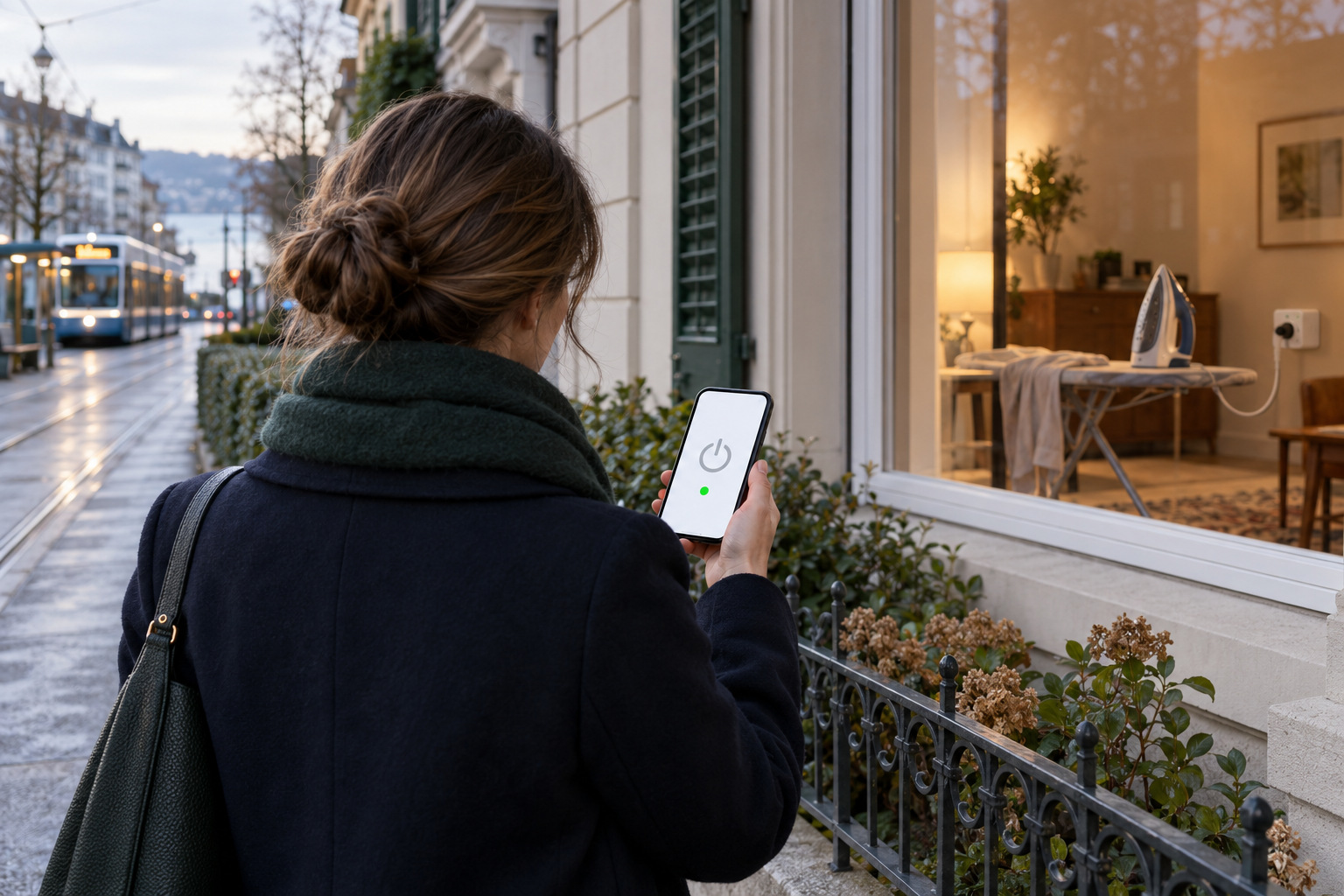
I always switch off the iron after ironing, by hand. I like that: "I switched it off, so it's off" is a real kind of certainty. But once I'm out of the house, a small voice asks: did I? Since the iron sits on a smart socket, I can look. One glance and the question is gone. Nothing was automated. I just got peace of mind.
Doing it manually remains a perfectly good option. The smart layer is there for the moments when you're not sure.
"And what's left for me?"
A fair question: if machines take over everything, what do I do? Nothing says they have to. If you enjoy chopping wood because it switches your head off, keep chopping. Automate the sweeping, or just the part where you wonder whether you switched something off. You decide where the line runs, and it's allowed to move.

Smart home ideas: everybody's list is different
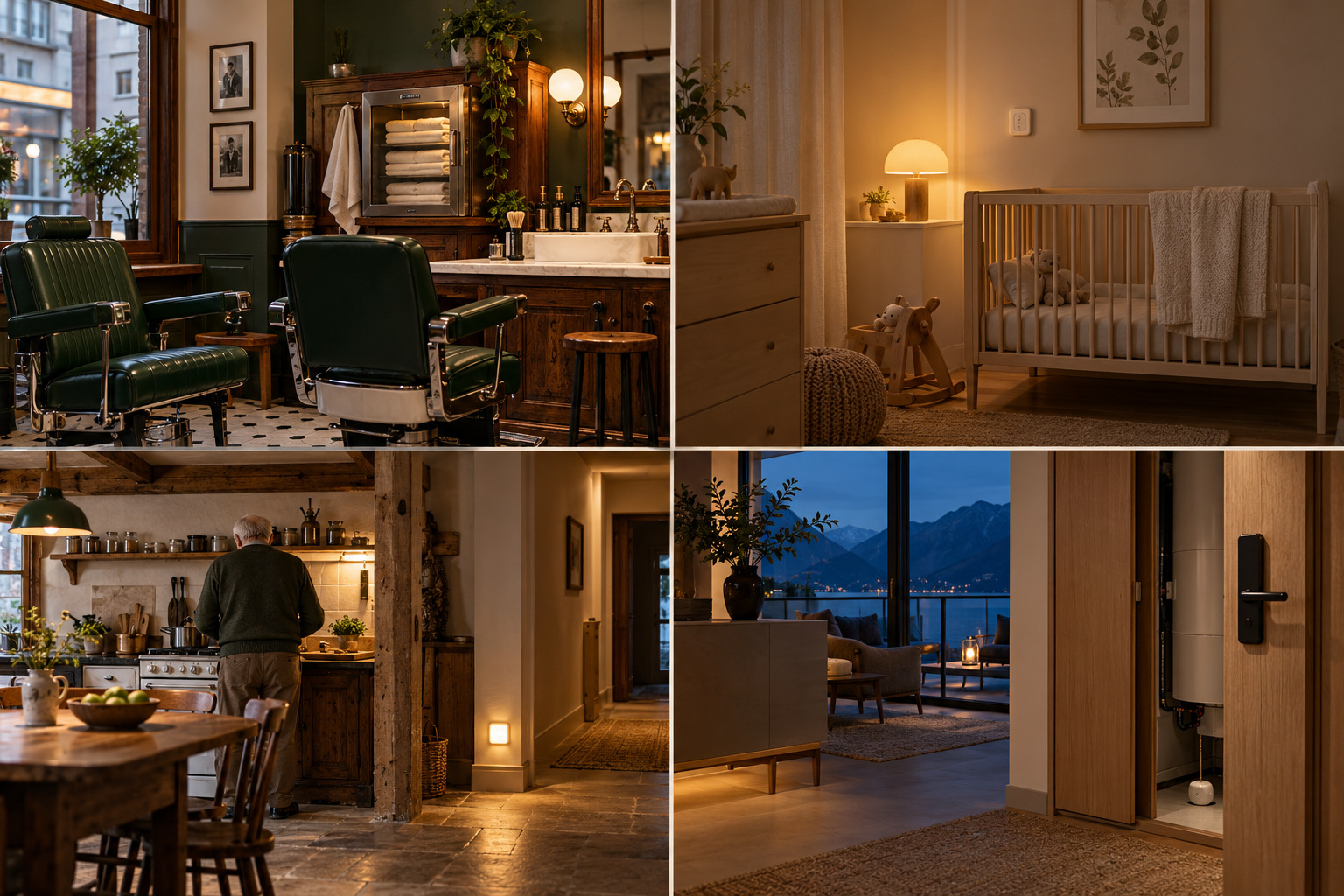
A barber worries about the towel warmer. New parents worry about the temperature in the nursery. Someone leaving on a six-month trip worries about water. Pain points differ from person to person, so no single device and no standard set will solve them all. That is why the examples on our site look so different from each other.
Why it takes a person
Finding pain points is a conversation, not a product. It takes someone who asks, listens and notices what you no longer see.
And it doesn't end after setup. The world keeps moving: new devices, new standards, better ways to do the same thing. I follow what's new and keep adjusting, so your home moves with the world and you don't have to keep up with it. Think of it as holding hands along the way: first to discover what bothers you, then as things change.

Curious what your own blind spots are? Talk to Koni and we'll look for them together, no obligation, no sales pitch.