guide
Smart Home Is Today's Fine Dining
· KoniThere is a certain kind of person who can talk for an hour about wine. The soil, the vintage, the one bottle that changed everything. And there is a certain kind of person who can do the same about their smart home: the Zigbee mesh, the automation that finally works, the sensor that caught a leak at 3 a.m.
I've noticed that the smart home today feels a lot like fine dining.
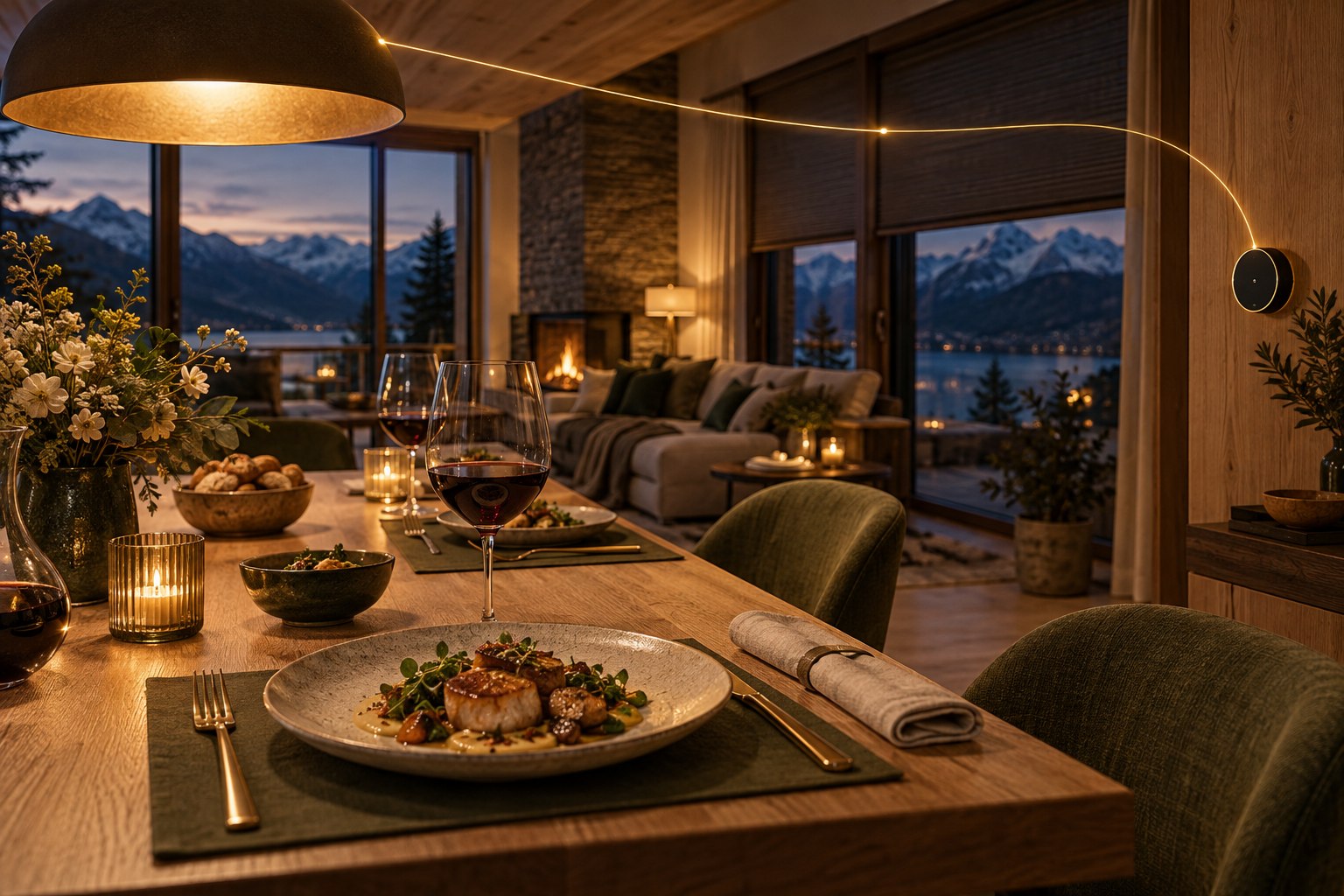
Two reactions, both fair
For some people, it's simply too much. Too complex, too fiddly, maybe even a little dangerous, and certainly expensive. Just like a tasting menu with wine pairing, it looks like something for people with time, money and a particular passion.
For others, it's pointless. Whatever can break will break, and a light switch has worked fine for a hundred years. Why add a layer of software to something that already works?
Both reactions are reasonable. Both are also, I think, incomplete.
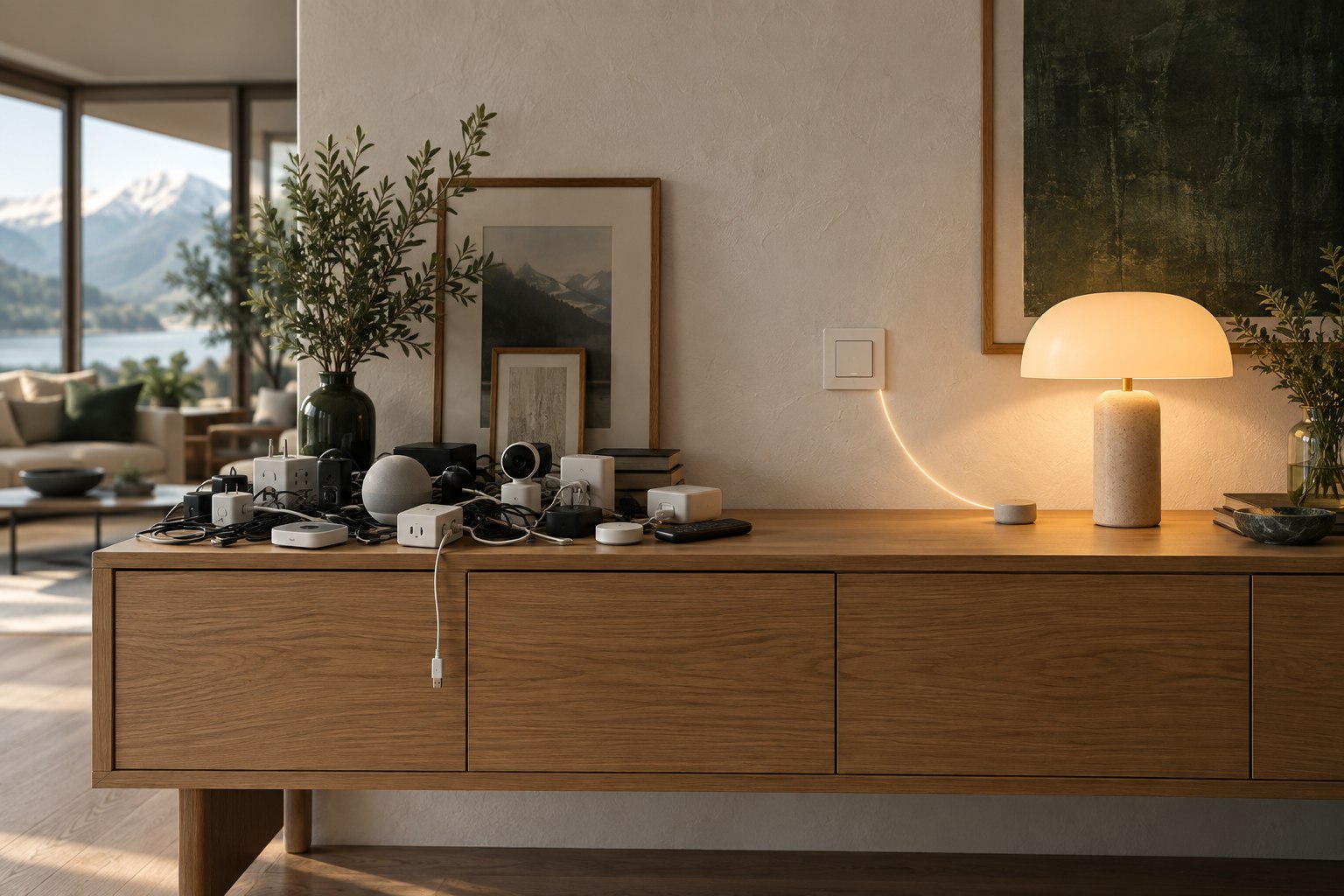
The enthusiasts are not the whole story
Every field has its obsessives, and they matter: they push things forward, find the rough edges and make the rest of us curious. But a hobby for a few is not the same as value for many.
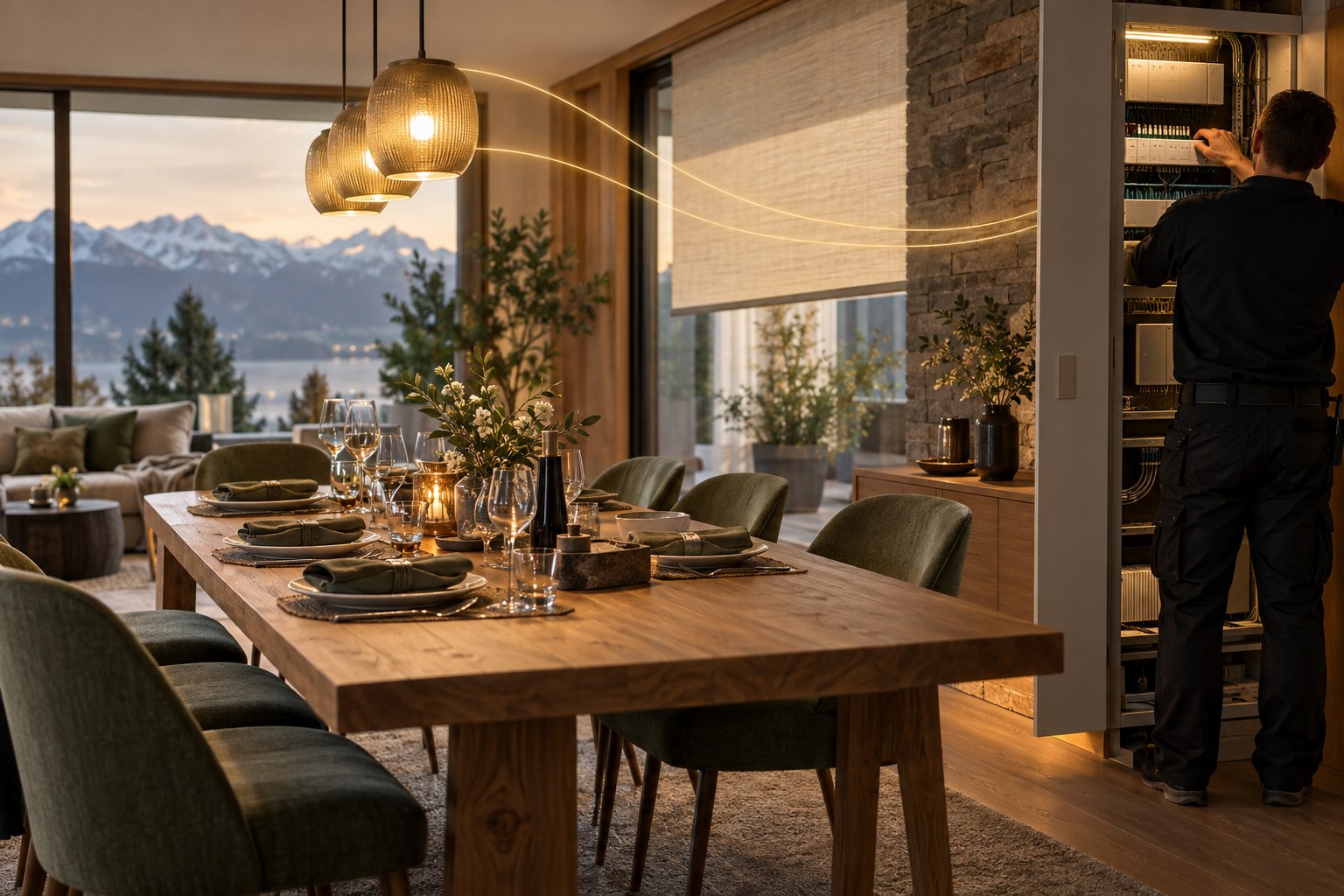
Think about how good food and wine reached more people. Not because everyone became a sommelier. Restaurants got more approachable, quality became easier to find, and you no longer needed to know everything to enjoy a good meal. Expertise moved from the diner's side to the kitchen's side.
The smart home is at the same point. It becomes useful for most people when they no longer have to be the expert.
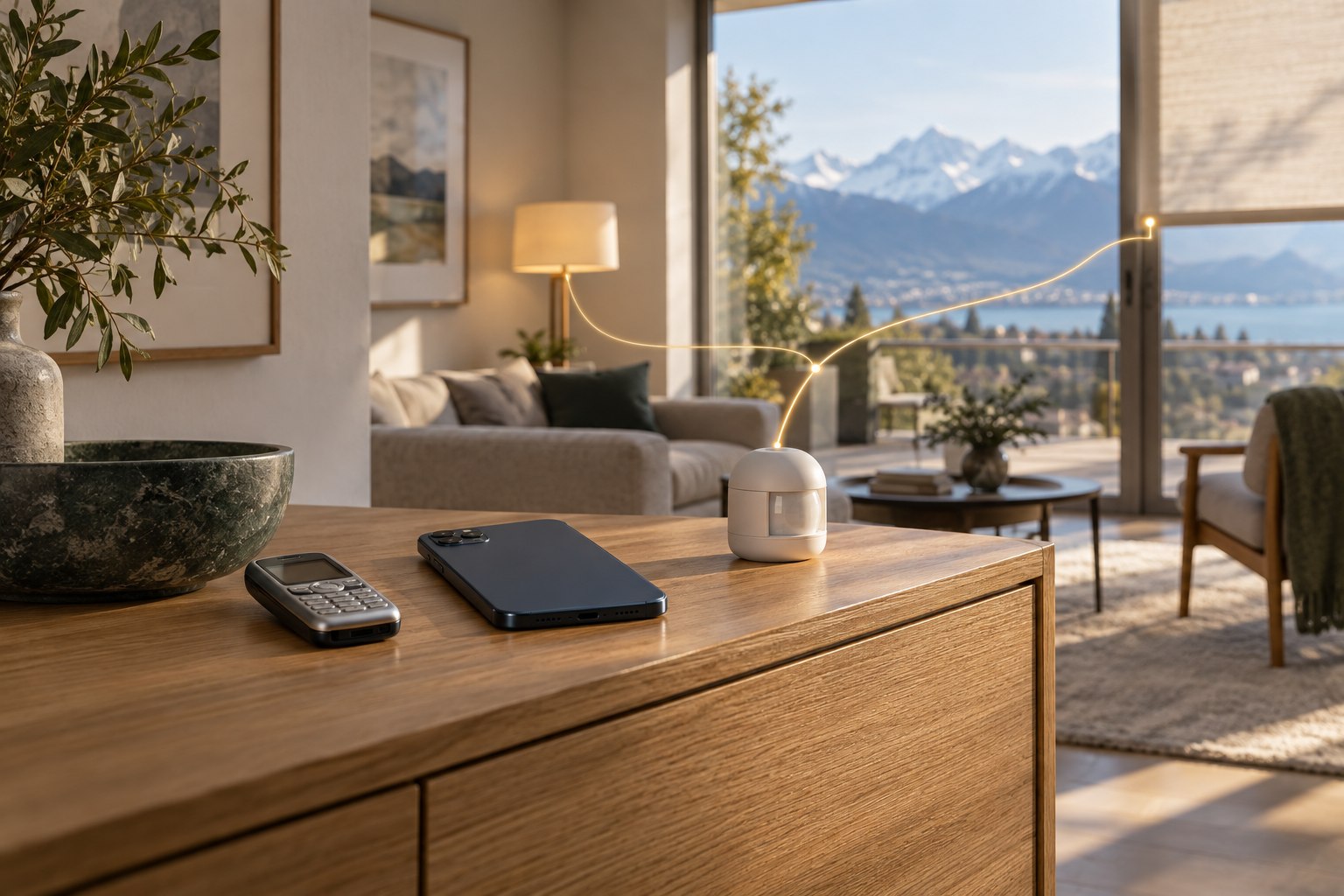
Remember the phone
Before 2007, the smartphone wasn't a mass-market idea. Today almost everyone in the Western world has one.
I'm not claiming the smart home will have its "iPhone moment". Let's be honest: it isn't as sexy. Nobody queues overnight for a motion sensor. Products alone won't create this demand.
But meaningful automations and understandable insights from our homes can. We already accept this from our cars, which tell us when something needs attention and how efficiently we drive. Our homes are just as worthy of that kind of clarity.
What it is really about
Don't get me wrong: the coffee won't brew itself. (Well, sometimes it might. :)) But that was never the goal.
The goal is to make things better:
- Remove small, recurring annoyances, like the light left on, the door you're not sure you locked, the window open in winter.
- Stop overspending on heating, standby power and things we would never choose to pay for if we saw them.
- Get time back, so we can spend it on what we actually enjoy.
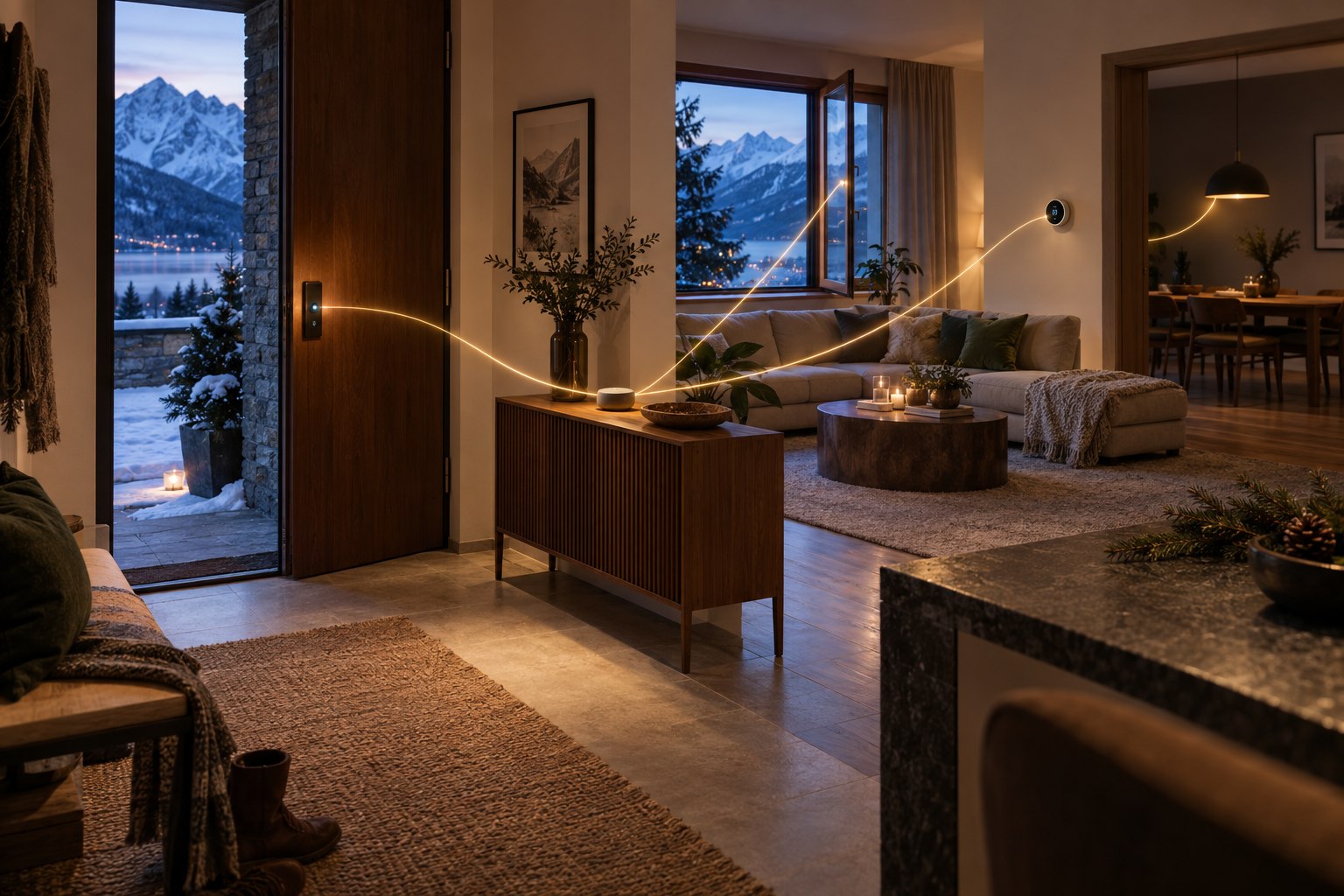
Is a smart home worth it? The truth is in the middle
You don't need to be obsessed with your home, and you don't need to fear it. Like a good restaurant, the best version is one where someone else has done the hard work, and you simply notice that things are better.
That's the idea behind Konihaus™: the expertise on our side, the benefits on yours.
Thinking about your own home? Talk to Koni about what would actually make a difference in yours — no obligation, no sales pitch.